
The Ultimate Guide to Composite Decking for Wisconsin Homes
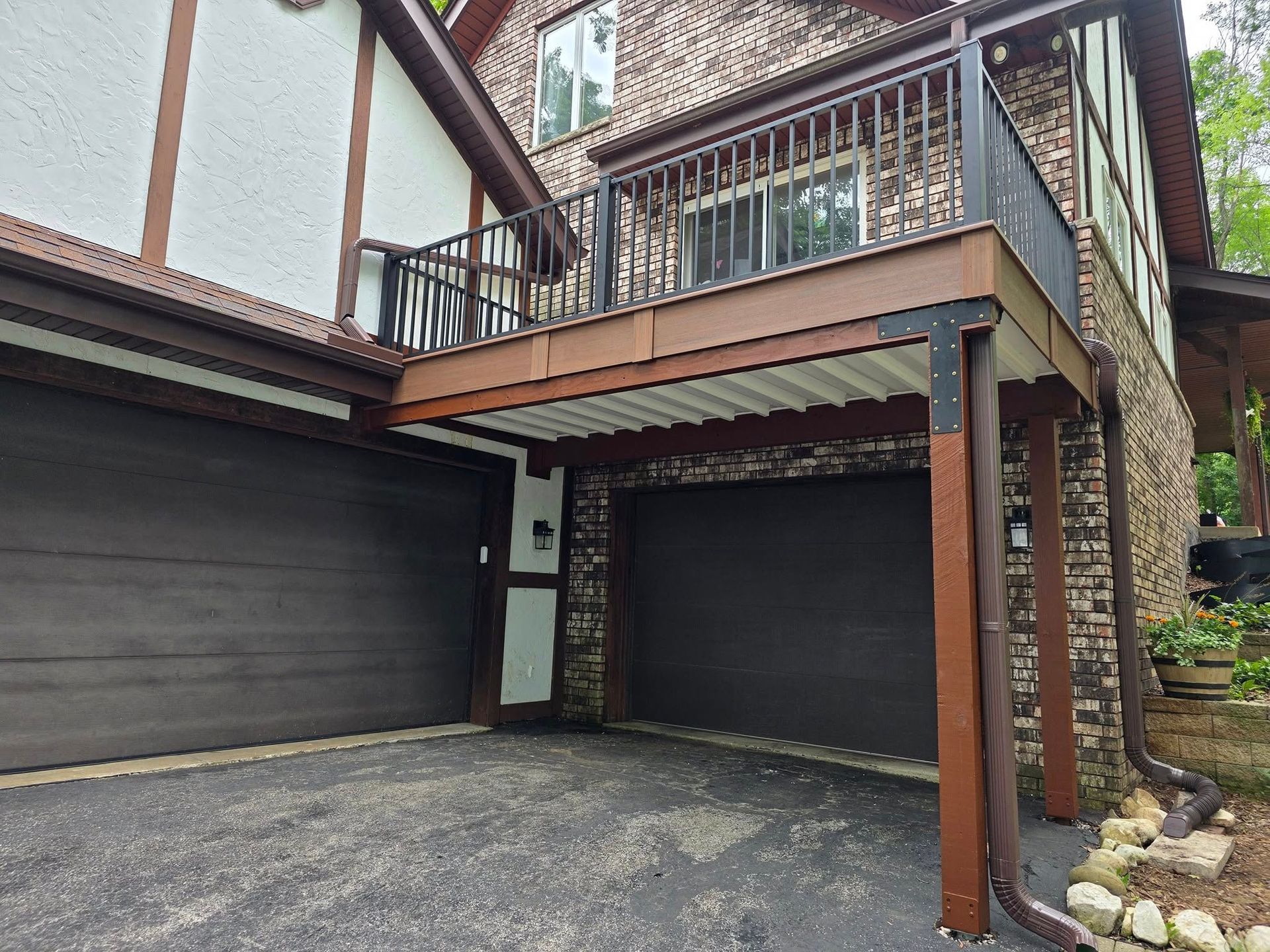
If you have been researching deck materials for more than five minutes, you have already seen composite decking come up. It is everywhere right now, and for good reason. But not all composite products are the same, and not everything you read online applies to Wisconsin's specific climate. This guide breaks it all down so you know exactly what you are getting into before you make a decision.
What Composite Decking Actually Is
Composite decking is a manufactured material made from a blend of wood fibers and plastic. The exact combination varies by product, but the goal is always the same: a surface that looks like wood, holds up better than wood in harsh conditions, and requires far less upkeep over time.
At the premium end of the category are fully capped PVC composite products that contain no wood fibers at all. These have a solid polymer shell on all four sides of each board, which gives them the strongest moisture resistance of any composite option. In Wisconsin's climate, that full cap makes a meaningful difference.
Why Wisconsin's Climate Makes This Decision Matter
You are not building a deck in San Diego. Wisconsin puts outdoor materials through conditions that expose weaknesses fast.
Temperature swings of roughly 100 degrees between summer highs and winter lows, heavy snow loads, spring freeze-thaw cycles, high summer humidity, and months of UV exposure all work together to accelerate wear on materials that are not built for it. Wood decks feel that pressure more than composite ones because wood absorbs moisture and composite does not.
Here is specifically why composite holds up better here:
- No moisture absorption means freeze-thaw cycles have far less impact on the material
- Capped products resist UV fading so your deck color stays consistent without annual treatment
- No mold or rot, both of which are accelerated by Wisconsin's humid summers
- Properly installed with correct expansion gaps and ventilation, composite handles extreme temperature swings without the surface damage that cuts wood's lifespan short
Get a Free Estimate
How Long It Lasts
Composite decks commonly last 25 to 30 years. Higher-end fully capped PVC products are backed by warranties up to about 50 years. Compare that to a wood deck in Wisconsin, which typically lasts about 10 to 15 years with consistent maintenance, and you start to see why composite has become the default upgrade choice across the Upper Midwest.
That lifespan difference has a real practical impact. A
composite deck installed today may still be performing well when a wood deck built at the same time has already been replaced once or is on its way out.
What to Look for When You Are Shopping
Not all composite products perform the same way in Wisconsin. Here is what to pay attention to:
- Full cap vs partial cap: Fully capped boards have a protective shell on all four sides. Partial cap leaves the bottom exposed. Full cap gives you better moisture protection in Wisconsin's conditions.
- PVC vs wood-fiber composite: No wood fibers means zero moisture absorption. Wood-fiber composites absorb some moisture, which can affect performance in freeze-thaw conditions.
- UV resistance: Look for products with UV-stable capping that maintain color over years of sun exposure without fading significantly.
- Correct installation gapping: Composite expands and contracts with temperature. In Wisconsin's extreme range, correct expansion gaps during installation are critical. A contractor who skips this step creates problems that show up within the first couple of winters.
- Ventilation: Proper airflow under the deck prevents moisture buildup that can affect performance even with composite materials.
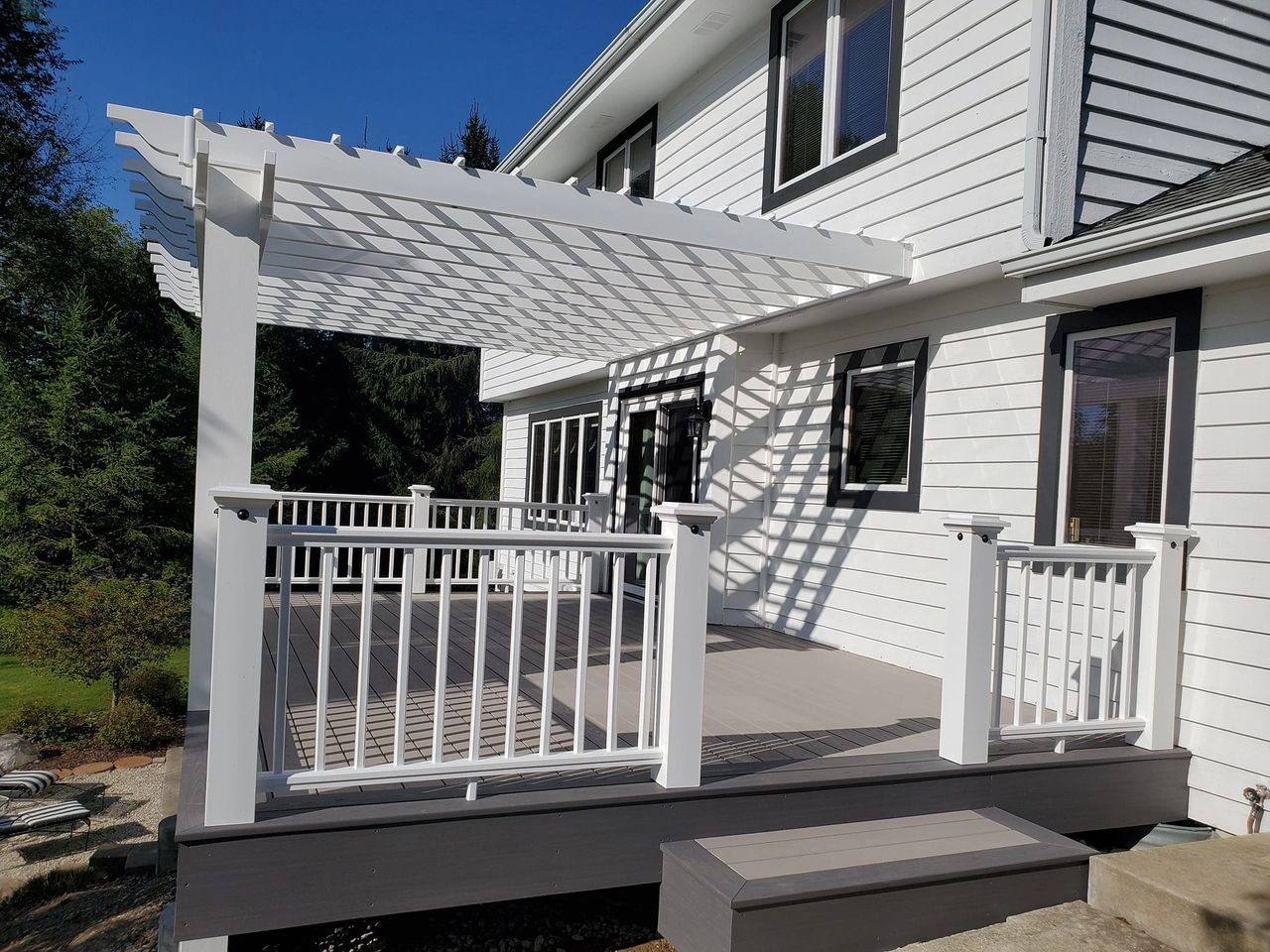
Is Composite Right for Your Home
Composite makes the most sense if you want a deck that holds up for 25 to 30 years or more with minimal work on your end, you do not want to spend time and money on staining and sealing every couple of years, and you plan to stay in your home long enough to get the full value out of the investment.
If natural wood feel is genuinely important to you and you are committed to a real maintenance schedule, wood is still a legitimate option. But for most Wisconsin homeowners who want a durable, low-maintenance outdoor space that performs in this climate, composite is the stronger long-term choice.